
Brake Repair in DeKalb, IL
Auto Repair with Personal Care
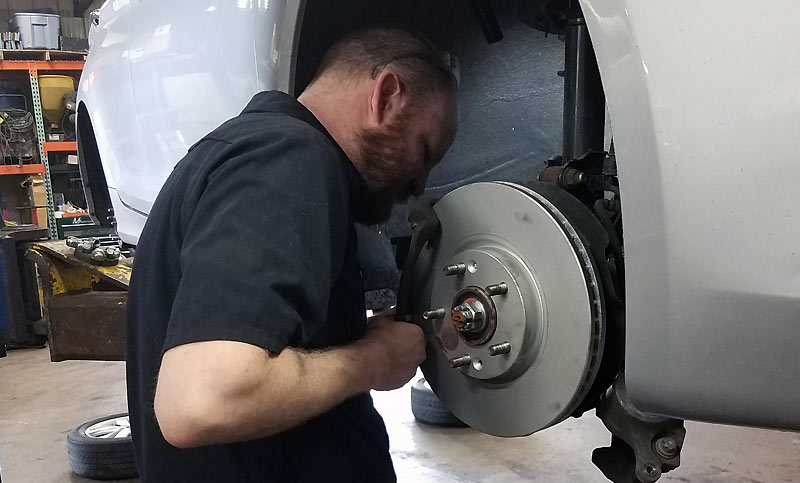
Bill White’s Car Hospital provides brake repair in DeKalb, IL for cars, SUVs and light trucks, including domestic and import makes. Our technicians inspect, service and repair front and rear brake systems and the parts that go with them: brake pads, brake shoes, rotors, drums, parking brakes, brake lines and hydraulics.
Your brakes are critical to your safety, the safety of your passengers and the safety of other drivers on the road. If your brakes are squealing, grinding, pulling, or the pedal does not feel right, we inspect the whole system and explain what we found before any repair is made.
Call 815-758-7425 or request a brake appointment online.
Signs You Need Brake Service
In most cases, brakes show warning signs before they fail. Catching those signs early usually means a smaller repair and avoids a dangerous situation on the road. Have your brakes inspected if you notice:
- Squealing, squeaking or grinding when you brake
- A brake pedal that feels soft, spongy or lower than usual
- The vehicle pulling to one side when braking
- Vibration or pulsation in the pedal or steering wheel
- A longer stopping distance than you are used to
- A brake, ABS or brake-pad warning light on the dash
- Fluid on the ground near a wheel, or a burning smell after braking
Brake Services We Provide
At Bill White’s Car Hospital, our technicians are qualified and equipped to handle your brake system repair needs, whether you have just noticed a squeal or the brakes need major work. Our brake services include:
- Braking system inspection
- Brake pad replacement
- Brake shoe replacement
- Brake rotor replacement
- Brake line replacement
- Front disc brake repair
- Rear disc brake repair
- Rear drum brake repair
- Parking brake adjustment
- Anti-lock brake system (ABS) diagnosis and repair
Need your brakes checked?
Call 815-758-7425
Request an appointment online
303 N 7th St, DeKalb, IL
Monday–Friday, 7:30am–5:30pm
What a Brake Inspection Includes
A brake inspection looks at the whole system, not only the pads. That matters because a symptom such as a pull or a soft pedal can come from several different parts. During a braking system inspection we check:
- Brake pad and brake shoe thickness
- Rotor and drum condition, including scoring, heat damage and wear
- Calipers, wheel cylinders and brake hardware for sticking or leaks
- Brake lines and hoses for corrosion, cracks and leaks
- Brake fluid level and condition
- Parking brake operation and adjustment
- Brake and ABS warning lights
Afterward we tell you what we found, what needs attention now and what can wait. We believe in being upfront about repairs and costs, so you can decide with the full picture.
Common Brake Problems and What They Mean
These are the symptoms we see most often. For a fuller explanation of each one, read our guide to brake warning signs.
Squealing or Squeaking Brakes
Many brake pads have a small metal wear indicator that contacts the rotor and squeals when the pad is nearly worn out. Squealing can also come from glazed pads, rust on the rotors after the vehicle sits, or worn hardware. A squeal that happens every time you brake is a reason to have the pads measured.
Grinding Brakes
Grinding usually means the friction material is gone and the metal backing of the pad is rubbing on the rotor. This reduces stopping power and damages the rotor quickly, turning a pad replacement into a pad and rotor replacement. Grinding brakes should be inspected right away.
Vibration or Pulsation When Braking
A pedal that pulses or a steering wheel that shakes during braking often points to uneven rotor wear. Front-end shake under braking can also involve suspension or steering parts, so we check both. If the problem turns out to be outside the brake system, our suspension and steering service covers it.
Soft, Spongy or Low Brake Pedal
The brake pedal should feel firm and consistent. A pedal that sinks, feels spongy or travels farther than it used to can indicate air in the lines, a fluid leak, moisture-contaminated fluid or a failing hydraulic component. Pedal problems affect your ability to stop and should not be put off.
Pulling to One Side When Braking
If the vehicle pulls left or right only when you brake, one side is doing more of the work. A sticking caliper, a restricted brake hose or uneven pad wear are common causes.
Brake or ABS Warning Light
A red brake warning light can indicate low brake fluid, an engaged parking brake or a hydraulic problem. An amber ABS light means the anti-lock system has detected a fault. Some vehicles also have a pad-wear indicator light. Any of these should be diagnosed, and our diagnostic service can identify what triggered the light.
Call 815-758-7425 or request a brake appointment online.
Brake Pads, Shoes, Rotors and Drums
Disc brakes squeeze pads against a rotor. Drum brakes press shoes outward against the inside of a drum. Many vehicles have disc brakes at the front and either disc or drum brakes at the rear, and we service both types.
Pads and shoes are wear items and are replaced when the friction material gets thin. Rotors and drums wear too. When a rotor is scored, heat-damaged or worn below its minimum thickness, it is replaced along with the pads so the new pads have a true surface to grip. We check the condition of each part and recommend only what the inspection supports.
Brake Lines, Calipers and Hydraulic Problems
When you press the pedal, brake fluid carries that force through steel lines and rubber hoses to the calipers and wheel cylinders at each wheel. A leak anywhere in that path, or air or moisture in the fluid, reduces braking force.
Steel brake lines can corrode over time, and a corroded line can leak or fail. Rubber hoses can crack or swell with age. Calipers can stick, which causes pulling, uneven pad wear and overheating at one wheel. We inspect these parts for leaks and corrosion and replace brake lines when they are no longer sound.
Anti-Lock Brake System (ABS) Diagnosis and Repair
The anti-lock brake system keeps the wheels from locking during a hard stop so you can keep steering. It relies on wheel speed sensors, wiring and a control unit. When the system detects a fault it turns on the ABS light and may switch itself off, leaving you with normal braking but no anti-lock function. We diagnose ABS faults to find the actual cause before any part is replaced.
How Northern Illinois Driving Affects Your Brakes
Brakes work in a harsh environment in DeKalb County. Road salt and winter moisture speed up corrosion on brake lines, rotors, calipers and hardware. Rotors can develop rust when a vehicle sits, and caliper slides can seize, which causes uneven pad wear.
Stop-and-go driving around town, towing and heavy loads also wear pads faster than highway driving. A brake check as part of regular preventative maintenance, especially after winter, helps catch corrosion and wear before they turn into a larger repair.
When Is It Unsafe to Keep Driving?
Some brake symptoms can wait a few days for an appointment. These should not:
- The brake pedal sinks toward the floor or feels very soft
- Metal-on-metal grinding
- A red brake warning light that stays on while driving
- Brake fluid leaking near a wheel or under the vehicle
- The vehicle pulls sharply when braking
- Smoke or a strong burning smell from a wheel
If you notice any of these, stop driving the vehicle as soon as it is safe and call us at 815-758-7425.
Why DeKalb Drivers Choose Bill White’s Car Hospital for Brake Repair
- ASE certified technicians
- Service for domestic and import cars, SUVs and light trucks
- Honest, upfront explanations of repairs and costs
- Shuttle service available (some restrictions apply; call for details)
- Comfortable waiting area with free WiFi and coffee
- Financing available
- Convenient location at 303 N 7th St, serving DeKalb, Sycamore and surrounding areas
Check our current specials before you book.
Brake Repair FAQs
How do I know if I need new brake pads?
Common signs are a high-pitched squeal when you brake, a grinding noise, a longer stopping distance or a brake warning light. Pad thickness can only be confirmed by inspection, so if you notice any of these, have the brakes checked.
How long do brake pads last?
There is no single answer. Pad life depends on the vehicle, the pad material and how and where you drive. Stop-and-go driving, towing and heavy loads wear pads faster than steady highway driving. Having the brakes inspected during routine service is the reliable way to know how much pad is left.
Is it safe to drive with grinding brakes?
No. Grinding usually means the pad material is worn away and metal is contacting the rotor. Stopping power is reduced and the rotor is being damaged with every stop. Have the vehicle inspected before driving it further than necessary.
Why does my brake pedal feel soft or go too far down?
A soft, spongy or low pedal can be caused by air in the brake lines, a fluid leak, old brake fluid or a problem with a hydraulic component. Because it affects your ability to stop, it should be inspected right away.
Do you repair anti-lock brake (ABS) problems?
Yes. We provide anti-lock brake system diagnosis and repair. An ABS light means the system has detected a fault, and testing identifies whether the cause is a sensor, wiring or another component.
Do you work on drum brakes and parking brakes?
Yes. Our brake services include brake shoe replacement, rear drum brake repair and parking brake adjustment, along with front and rear disc brake repair.
How much does brake repair cost?
It depends on the vehicle and on what the inspection finds, so we do not quote a brake job without seeing the vehicle. We inspect the system first and explain the repair and its cost before any work begins.
How do I schedule brake service in DeKalb?
Call 815-758-7425 or use the contact form on our website. Bill White’s Car Hospital is at 303 N 7th St in DeKalb and is open Monday through Friday, 7:30am to 5:30pm.
Schedule Brake Repair in DeKalb, IL
If your brakes are making noise, the pedal feels different or a warning light is on, have them inspected before the problem grows. We will check the system, explain what it needs and get you back on the road safely.
Call 815-758-7425
Request a brake appointment online
Bill White’s Car Hospital
303 N 7th St, DeKalb, IL 60115
Monday–Friday, 7:30am–5:30pm
Map and directions
